Linux wenn Windows mal wieder auf den Geist geht

Windows kann ganz schön nerven. Zwar gehört mit Windows 10 der blaue Bildschirm der Vergangenheit an, eigentlich, aber hin und wieder kommt es dennoch zu Abstürzen und der Rechner muss neu gestartet werden. Wen das alles zu sehr nervt, der sollte sich den Umstieg auf Linux überlegen. Nachfolgend erfahren Sie die Vorteile, die ein Umstieg auf Linux mit sich bringen.
Prozessoptimierung im Unternehmen durch Nutzung von EDI

Die einfachste Art der Prozessoptimierung ist der Elektronische Datenaustausch ( englisch: EDI steht für Electronic Data Interchange) verschiedener Daten und Formate ( meistens Geschäftsunterlagen, Emails, Lieferscheine, etc) zwischen einem oder mehreren Geschäftspartnern. Viele Unternehmen sehen darin eine neue Technologie, was diese Art der Kommunikation aber nicht ist. Es handelt sich lediglich um das Zusammenspiel zweier oder mehrerer Sender und Empfänger, die mit Nutzung dieses Systems verschiedene Daten, untereinander austauschen.
Was ist das Caffeine-Update

Während die meisten Google-Updates in Form von Änderungen am Ranking-Algorithmus der Suchmaschine erfolgen (wie das Pinguin-Update), ist das Caffeine-Update vom Juni 2010 eine andere Geschichte. Das Caffeine-Update sorgte für frische Suchergebnisse, indem es die Art und Weise veränderte, wie Google Informationen aus dem gesamten Web sammelt und organisiert.
Alles, was Sie über einen Industrie Roboterarm wissen sollten
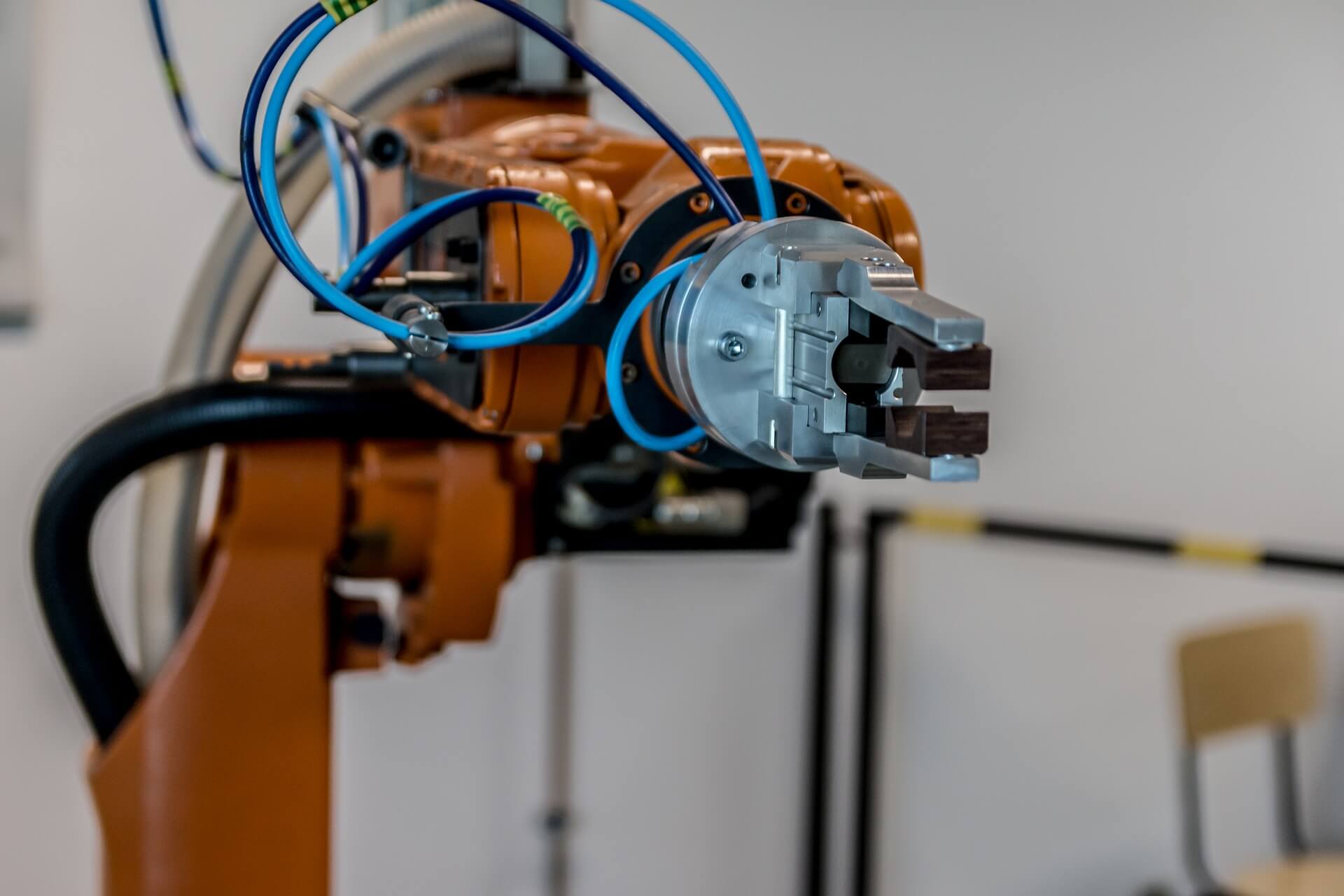
Ganz egal, welches Unternehmen Sie auch führen, mit einem Industrie Roboterarm sind Sie immer bestens ausgestattet. Er kann mehrere unterschiedliche Arbeiten mit höchster Präzision verrichten und dies in nur wenigen Minuten. In unserem Beitrag erfahren Sie nicht nur, welche Vorteile Ihnen ein Industrie Roboter bieten kann, sondern auch seine Einsatzmöglichkeiten.
Wenn Sie auf der Suche nach einem Industrieroboter sind, dann sind Sie bei uns genau richtig. Bei uns erfahren Sie vor allem, worauf Sie beim Kauf eines Industrie Roboterarms achten müssen. Zum einen kommt es vor allem darauf an, was der Roboterarm ausführen sollte. Zudem sollte man sich Gedanken darüber machen, wie groß der Roboter sein sollte. Generell sind die Geräte sehr flexibel und können für alle verschiedenen Arbeiten eingesetzt werden. Der Pluspunkt an einen Industrie Roboterarm ist, dass er auch sehr genau arbeitet. Er gewährleistet Ihnen und Ihrem Unternehmen sozusagen eine sehr hohe Präzisionsgenauigkeit. Sie müssen zudem einen Industrie Roboterarm nicht komplett neu programmieren, in der Regel reicht es aus, wenn dieser ein wenig eintrainiert wird.
Die verschiedenen Einsatzmöglichkeiten eines Industrie Roboterarms
Ganz egal, für welche Anwendung oder für welches Unternehmen Sie auch einen Industrie Roboterarm benötigen. Es gibt für jede Arbeit das passende Gerät. Diese Roboterart erfreut sich in der Industriebranche immer größerer Beliebtheit. Ein Industrie Roboterarm kann sich komplett allein bewegen. Man muss ihn die Arbeit nur einmal zeigen und schon kann er diese ganz von selbst ausführen. Sind Ihre Mitarbeiter bereits sehr ausgelastet und Sie benötigen einen Arbeiter, der Ihnen zu jeder Zeit beste Arbeiten abliefern kann? Wenn dies der Fall ist, dann sind Sie mit einem Industrie Roboterarm bestens beraten. Ob in der Logistik oder einem anderen Bereich, dieses Gerät sorgt dafür, dass Sie immer eine genaue Arbeit abliefern und dies natürlich auch zur richtigen Zeit.
Ein Industrie Roboterarm weist auch eine sehr lange Haltbarkeit auf. Ebenfalls ist die Handhabung und Bedienung dieser Maschine sehr leicht. Ebenfalls weisen die meisten Roboter die Zertifikaten EN 775 auf, was bedeutet, dass er ebenfalls eine sehr hohe Robustheit aufweist.
Entscheiden Sie sich noch heute für einen Roboterarm
Wenn Sie sich einen neuen Industrie Roboterarm kaufen möchten, dann sind Sie im Internet sehr gut beraten. Dort werden Ihnen die Geräte in den unterschiedlichsten Ausführungen und Dimension angeboten. Außerdem befinden sich bei uns auch die Preise in einem sehr fairen Preis-Leistungs-Verhältnis. Sie haben zudem auch die Möglichkeit einen Preisvergleich zu nutzen. Dieser zeigt Ihnen in nur wenigen Minuten an, welche Roboter zu den günstigsten Preisen angeboten werden. Wenn auch Sie sich für solch eine Maschine entscheiden, können Sie einiges an Geld sparen. Sie können sich dank eines Industrie Roboters nicht nur einen Mitarbeiter sparen, sondern gleich mehrere. Auch wenn andere Urlaub nehmen kann ein Industrie Roboterarm problemlos weiterarbeiten. Auch nachts, wo andere schlafen, kann diese Maschine arbeiten. Nachteile weist ein Industrie Roboterarm so gut wie keine auf.
Wie ist ein Roboter aufgebaut?
Generell sind Industrie Roboter sehr einfach aufgebaut. Aus diesem Grund ist auch die Bedienung dieser Geräte sehr einfach. Sie haben die Möglichkeit einen Industrie Roboter mit nur einen Arm oder mehreren zu kaufen. Man kann die Arme der Geräte mit Manipulatoren vergleichen. Die Arme sind mit einem speziellen Werkzeug versehen. An den Armen findet man außerdem sogenannte Effektoren, welche für eine sehr genaue Arbeit verantwortlich sind. Diese Effektoren müssen richtig trainiert werden, um den gewünschten Anforderungen gerecht zu werden.
Fazit
Ein Industrie Roboterarm bietet Ihnen zahlreiche Vorteile. Zum einen können Sie mit solch einem Gerät den Stundenlohn eines Mitarbeiters sparen und zum anderen können Sie von einer sehr genauen Arbeit profitieren. Diese Maschinen eignen sich für die verschiedensten Unternehmen und Arbeiten. Damit er auch Ihren Anforderungen gerecht wird, müssen Sie ihn einfach etwas trainieren.